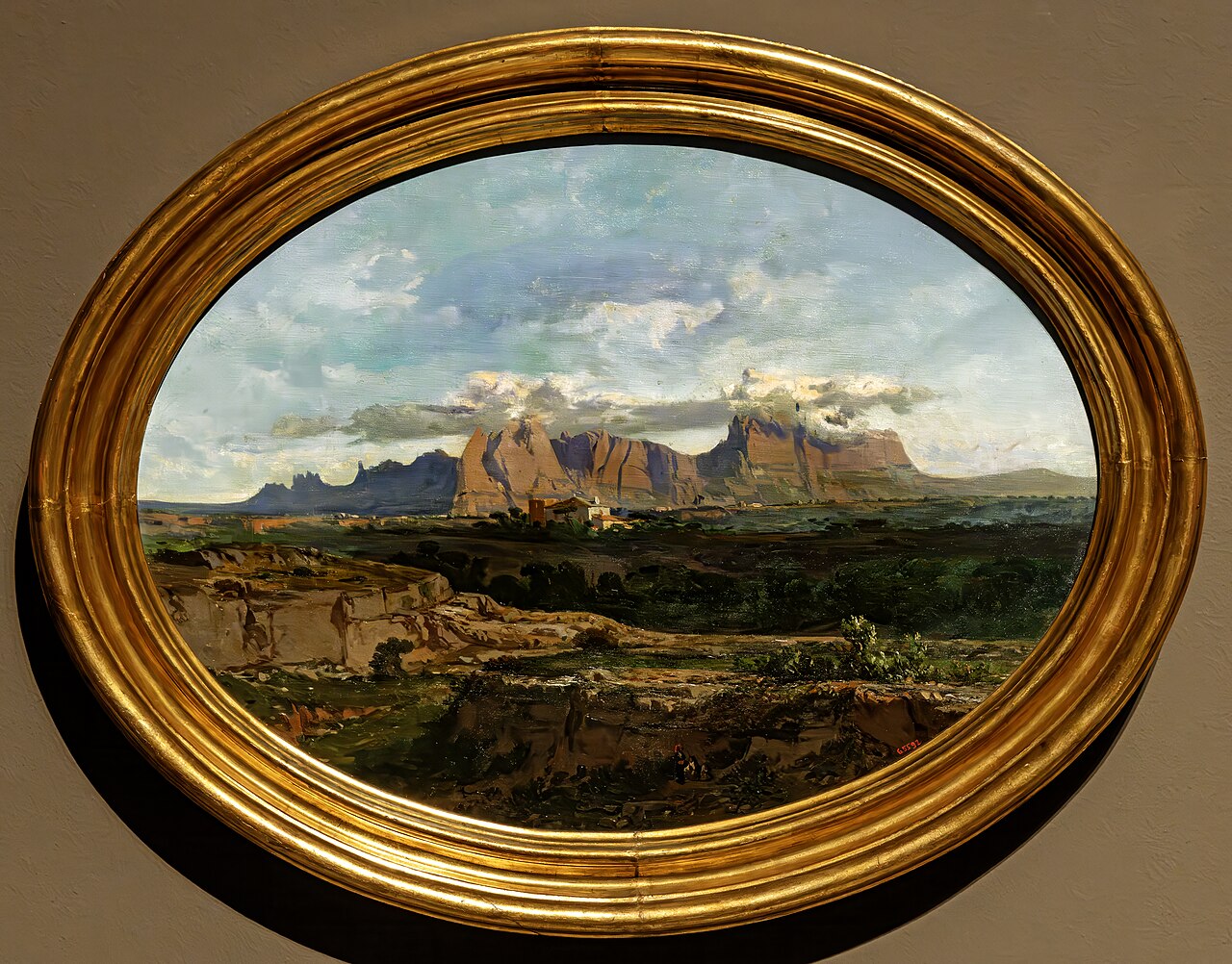
The Masia as Cultural Anchor
Masia farmhouses — often fortified during medieval periods — organized agricultural production around central courtyards, wine cellars and olive presses. Many survive as restored homes, wineries or rural hotels, their stone walls recording centuries of family continuity.
Architectural historians study masia typologies by roof pitch, balcony placement and chapel annexes — regional variations reflect microclimate and wealth differences across comarques.
Festivals and Communal Performance
Festa major calendars rotate through villages each summer, combining religious processions, fireworks, communal meals and competitive events. Castellers build human towers — UNESCO-recognized intangible heritage requiring rural and town guild coordination.
Sardana circle dancing in town squares reaffirms Catalan identity; musicians with cobla bands travel between villages during festival season.
Language and Education
Catalan remains primary in many rural schools and municipal offices, resisting homogenization from Spanish-language media. Signage, market banter and church notices preserve local dialect features — especially in inland comarques less touched by international tourism.
Post-Franco language recovery strengthened rural institutions; community associations publish local histories and maintain archival photograph collections.
Land Stewardship and Cooperatives
Agricultural cooperatives pool wine pressing, olive milling and packaging resources — economic models dating to nineteenth-century modernization. Modern organic and DO (Denominació d'Origen) certification extend cooperative frameworks.
Hiking associations maintain trail signage and refuge huts, embedding countryside access within civic responsibility rather than commercial tour operations alone.