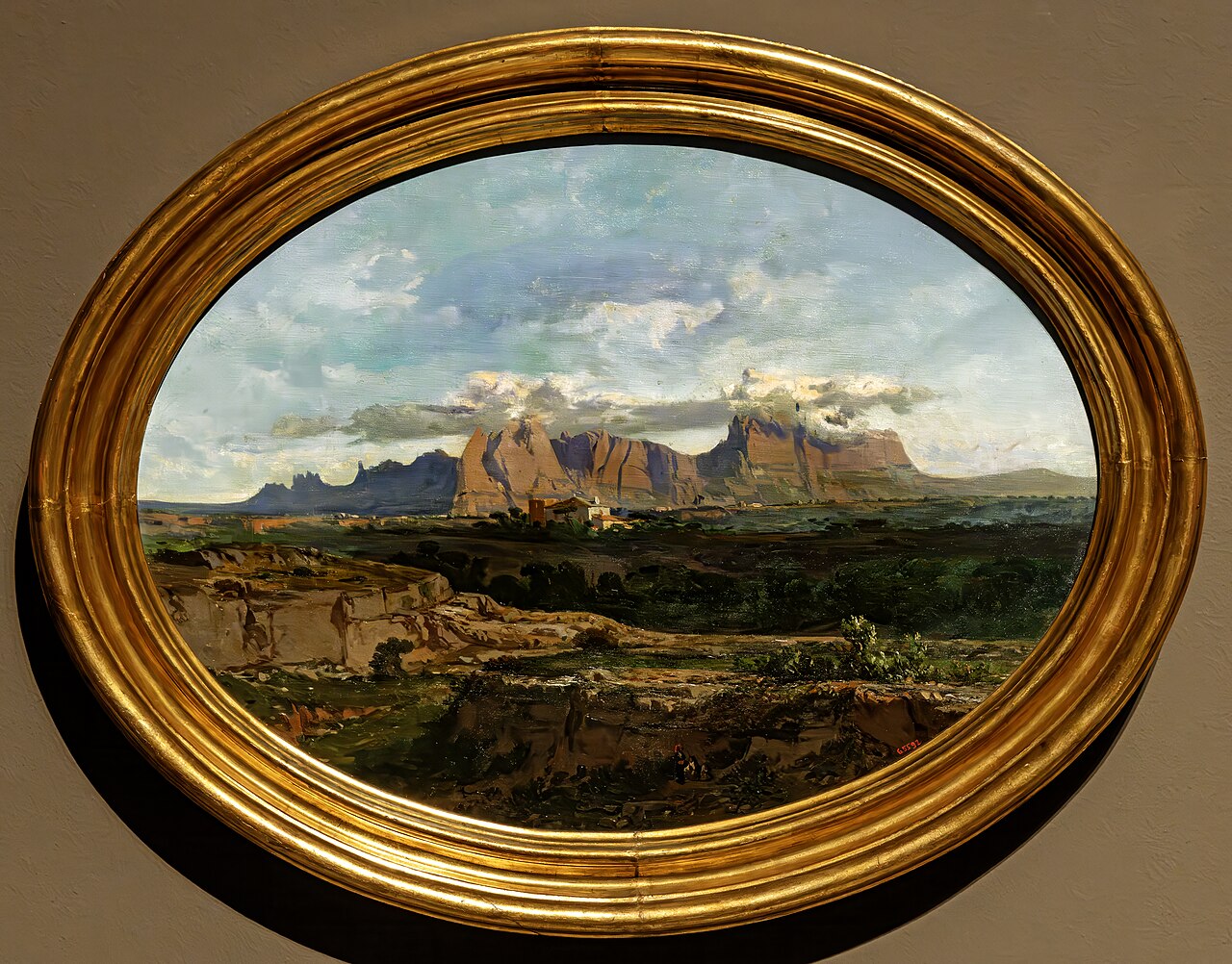
Geology and Sacred Perception
Montserrat's pink conglomerate spires formed through erosion of sedimentary rock, creating visually dramatic pinnacles visible from great distances. Medieval believers interpreted the formations as divine handiwork, encouraging eremitic settlement.
The name 'Saw Mountain' (Montserrat) reflects serrated silhouettes that change colour through dawn and dusk — a phenomenon photographers and pilgrims have documented for centuries.
Abbey and Black Madonna
Santa Maria de Montserrat abbey houses the Mare de Déu de Montserrat — a dark wooden Madonna venerated since at least the twelfth century. Pilgrims queue to touch the statue's orb, continuing a ritual uninterrupted through wars and political upheaval.
The Escolania boys' choir performs daily liturgy, maintaining one of Europe's oldest continuous choral traditions. Llibre Vermell medieval manuscripts originated here, blending sacred music with popular dance forms.
Hermitages and Hiking Network
Scattered hermitages — Santa Cova, Sant Joan — mark paths climbed by foot pilgrims before cable cars and funiculars. Hiking routes range from family-friendly plateau walks to strenuous peak ascents requiring fitness and weather awareness.
Rack railway from Monistrol de Montserrat and cable cars reduce ascent time; early arrival avoids cruise-ship crowd peaks.
Catalan Identity Symbol
During Franco-era suppression of Catalan language, Montserrat functioned as a cultural refuge — publishing texts and hosting intellectual gatherings. Today the mountain remains a nationalist symbol without being exclusively political.
Museum collections include Caravaggio school paintings, archaeological finds and liturgical silver — contextualizing rural devotion within broader European art history.